Washington State News
After record storms, Washington state pushes for FEMA support to rebuild and recover

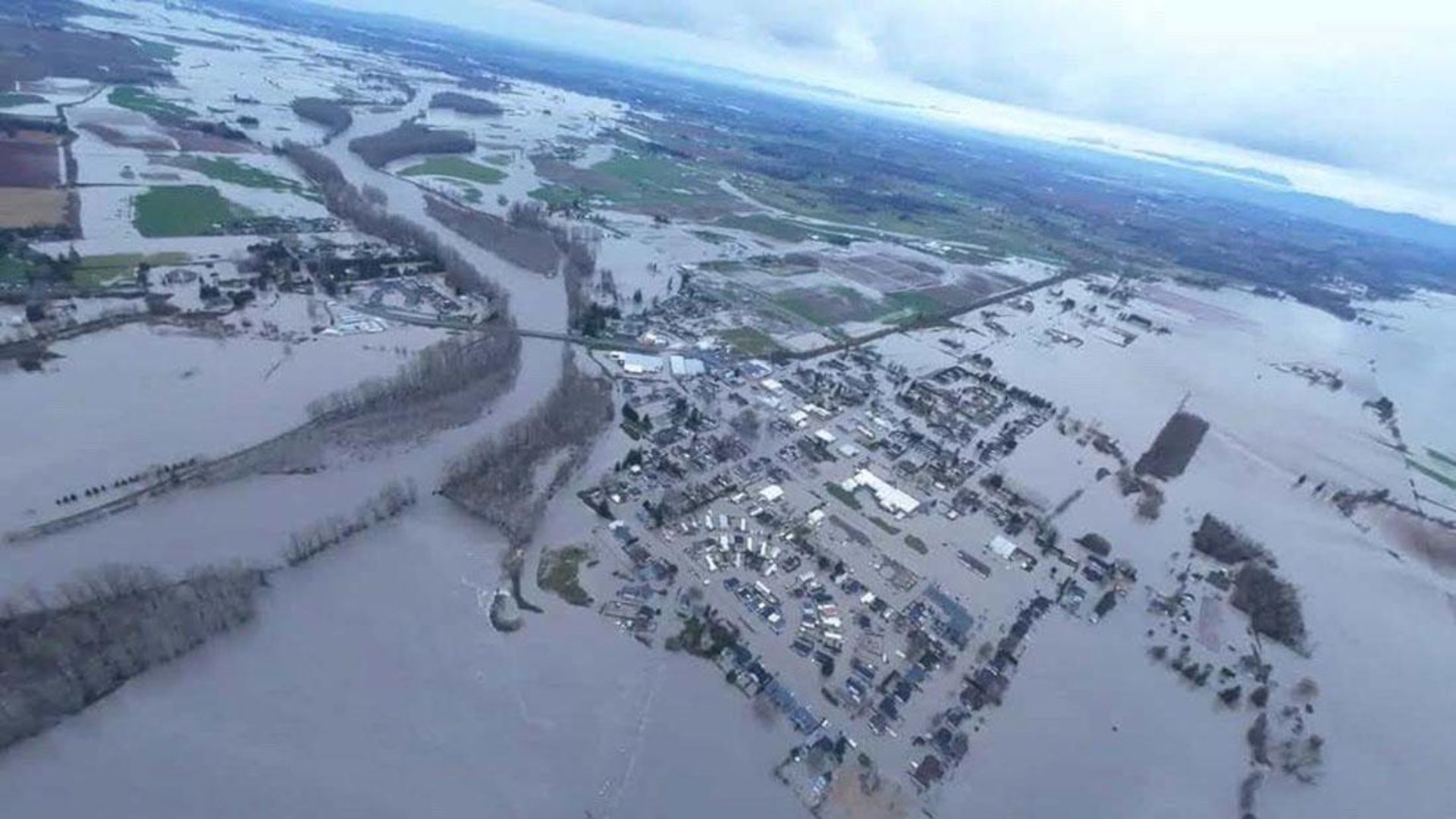
Olympia, Washington – After the unprecedented storms in December caused significant devastation across Washington state, Governor Bob Ferguson has formally asked the federal government to step in. He wants a major disaster declaration and access to an estimated $21.3 million in federal aid for families who were affected.
The governor wrote a letter to President Donald Trump asking for permission for FEMA’s Individual Assistance program to help people get back on their feet after the devastating floods and storm damage that stretched local and state resources to their limits.
Read also: Washington AG joins multi-state effort to rein in ai-generated nonconsensual images: “I’m heartened”
The request comes after almost three weeks of adverse weather from December 5 to December 22, when a series of atmospheric rivers and winter storms caused severe rain, flooding, landslides, strong winds, and protracted power outages. More than 100,000 people had to leave their houses because of the storms, which caused 383 emergency rescues, destroyed about 4,000 homes, and killed one person. Highways, railroad lines, farms, and utilities, which are all important parts of the infrastructure, also suffered a lot of damage.
An emergency declaration already partially activated federal support during the crisis. This allowed organizations like the U.S. Army Corps of Engineers and the U.S. Coast Guard to help with response activities. Governor Ferguson’s most recent plea is for longer-term help, specifically for people and families who are having trouble with home damage and being forced to move. He stressed that the size and length of the crisis were too much for state and local responders to handle, so federal help was needed to help with the recovery.
Read also: Young suspect charged after screwdriver attack near Amazon Fresh in Seattle
FEMA can only give out a maximum of $21.3 million in Individual Assistance, but state officials have made it clear that this money won’t cover all of the damages. Instead, it is meant to help families with little money make necessary repairs or find temporary accommodation while they look for more permanent options. If authorized, people who live in certain counties and Tribal nations would need to go straight to FEMA to get help.
The governor’s request right now includes 15 federally recognized Tribal nations and the counties of Chelan, Grays Harbor, King, Lewis, Pacific, Pierce, Skagit, Snohomish, Thurston, and Whatcom. Support for the request is certain to grow, as Washington’s congressional delegation and leaders from all four state legislative caucuses are writing bipartisan letters asking the federal government to approve it.
Washington has already started to meet its immediate demands at the state level. Governor Ferguson gave the go-ahead for $3.5 million in state emergency funds to help with food, shelter, and other pressing needs. More than 2,600 households have received over $1 million through the Disaster Cash Assistance Program. The state’s flood recovery website keeps sharing more information about the help that is available.
The storms left a clear mark on the state’s landscape. About 30 rivers flooded, and some of them reached record levels and broke through levees and dikes. The west side’s agricultural areas were struck the hardest. Floodwaters and landslides destroyed farmland, killed cattle, and blocked access to major roads, including parts of two interstates and several U.S. highways. Rail service between Vancouver, British Columbia, and Seattle was stopped for a few days, and at the height of the storms, hundreds of thousands of people lost power.
The Washington State Emergency Operations Center was at its highest level of operation to coordinate emergency response actions. About 400 members of the Washington National Guard were called up to help with evacuations, rescues, flood control, and clearing away debris. Several emergency shelters and healthcare facilities were also affected. For example, a skilled nursing facility had to move its patients to safety.
The current request is for help for people, but the state continues to look at the damage to public infrastructure. In February, there will be a separate request for FEMA Public Assistance and hazard mitigation funding. The idea is to fix damaged roads, levees, and utilities while making them stronger so they can better guard against future storms.


South Seattle motorcycle stop turns into gun and drug distribution investigation

North Aurora gun violence sparks renewed safety concerns in Seattle’s District 5

Seattle leaders prepare for the big question: repair KCRHA or walk away?

Early morning altercation near South State Street ends with woman shot in leg

Seattle murder suspect captured in Missouri after mistaken California jail release fueled months-long manhunt

Two young men are seriously hurt after a sedan-side confrontation turns chaotic in Seattle

Long-awaited Graham Street Station faces renewed uncertainty as Seattle leaders push Sound Transit to honor decades-old promise
