Local News
Sound Transit advances plans for $20 billion rail project linking West Seattle and Ballard

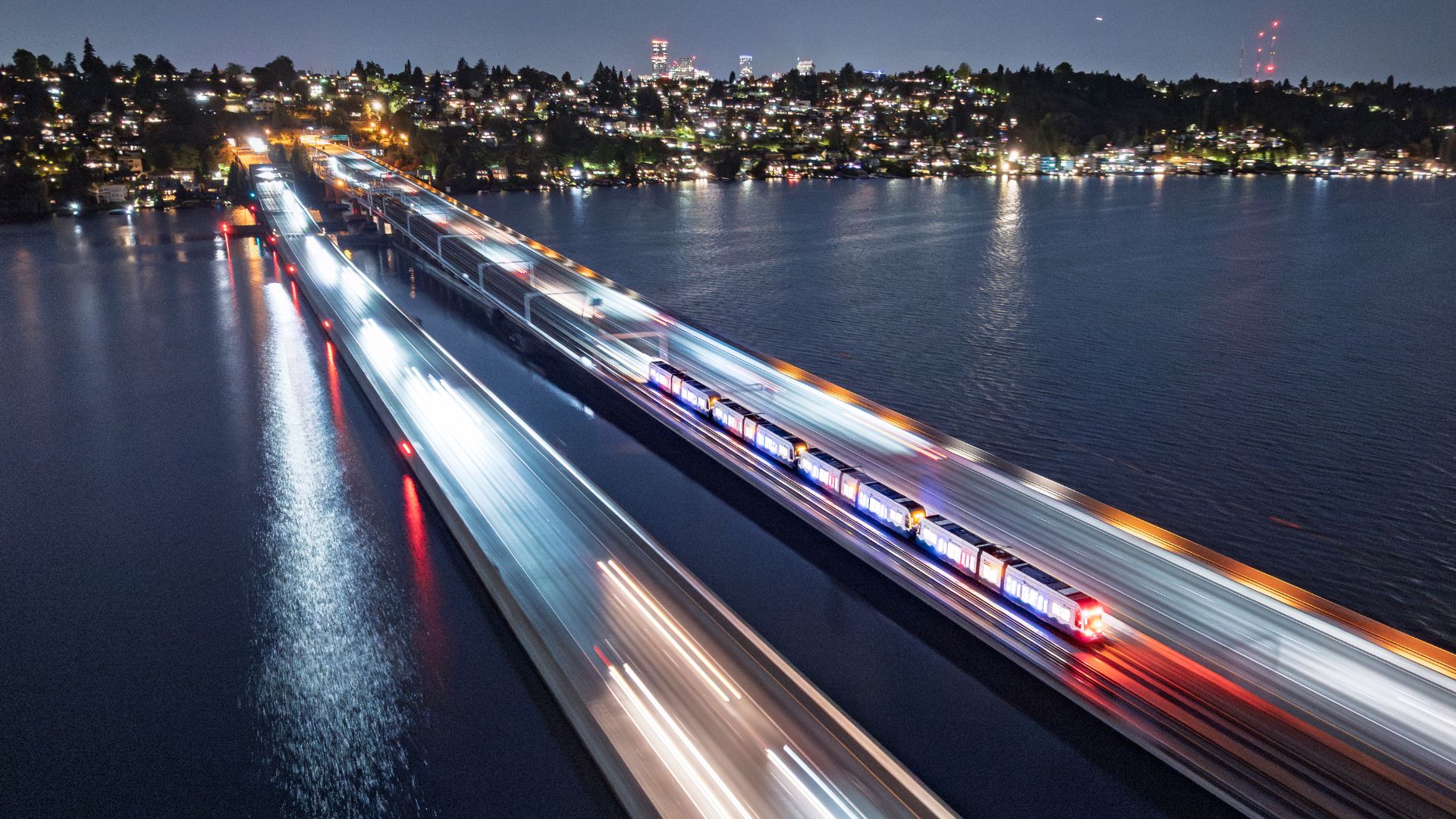
Seattle, Washington – Plans are moving forward for a huge extension of Seattle’s light rail system. It will cost about $20 billion to build and would include trains going under downtown and service reaching deeper into important communities.
There hasn’t been a general contractor picked yet, but work is already starting on what would be one of the region’s most complicated transportation projects ever.
Read also: Washington builds on Seattle pilot to deliver addiction treatment statewide, now available non-stop
The project needs 11 miles of new track and 13 new stations, most of which will be built underground in some of the city’s most heavily populated regions. The goal is to make connections between the north and south better, reduce traffic, and make it easier for people to get around Seattle quickly and reliably.
Sound Transit is now working on getting environmental permits and other things ready for two big parts of the plan: a four-mile extension to West Seattle and a seven-mile leg to Ballard. Both projects are set to start construction in 2027, which is a big step forward following years of planning and public assessment.
Read also: Seattle man accused of robbing perfume store in North Seattle at least 18 time finally arrested
WSP and Mott Macdonald, two companies that have worked on big infrastructure projects before, are helping with the engineering and program management for the work. Part of their job is to help plan the design, tunneling methods, and order of construction for what will be a very difficult undertaking.
The Sound Transit 3 expansion program, which includes the West Seattle and Ballard Link Extensions, is scheduled to be the biggest construction project in the Seattle area by 2026. The projects will change both the city’s transit system and its physical landscape by digging deep tunnels under downtown streets and building large sections of elevated guideway.
Credit: soundtransit.org
The West Seattle Link Extension will add four new stations and use twin-bored tunnels that will bring trains into West Seattle. It also has a high-level cable-stayed bridge and an elevated guideway across the Duwamish River, which is a major industrial waterway that is hard to construct.
The Ballard Link Extension will have nine new stations further north. Plans include a new twin-bore tunnel under downtown Seattle and a rail tunnel that goes under the Lake Washington Ship Canal to get to Ballard. Each of these components would work together to make a continuous underground spine that connects Ballard, South Lake Union, downtown, and West Seattle.
Read also: Washington AG joins multi-state effort to rein in ai-generated nonconsensual images: “I’m heartened”
Officials see the project as a long-term investment in regional mobility, even if many elements still need to be worked out, such as choosing a contractor and finalizing the costs.
If everything goes as planned, the extension will significantly increase the capacity of the light rail and change how people get around Seattle for many years to come.


South Seattle motorcycle stop turns into gun and drug distribution investigation

North Aurora gun violence sparks renewed safety concerns in Seattle’s District 5

Seattle leaders prepare for the big question: repair KCRHA or walk away?

Early morning altercation near South State Street ends with woman shot in leg

Seattle murder suspect captured in Missouri after mistaken California jail release fueled months-long manhunt

Two young men are seriously hurt after a sedan-side confrontation turns chaotic in Seattle

Long-awaited Graham Street Station faces renewed uncertainty as Seattle leaders push Sound Transit to honor decades-old promise
